Welcome to the Brunk Lab!
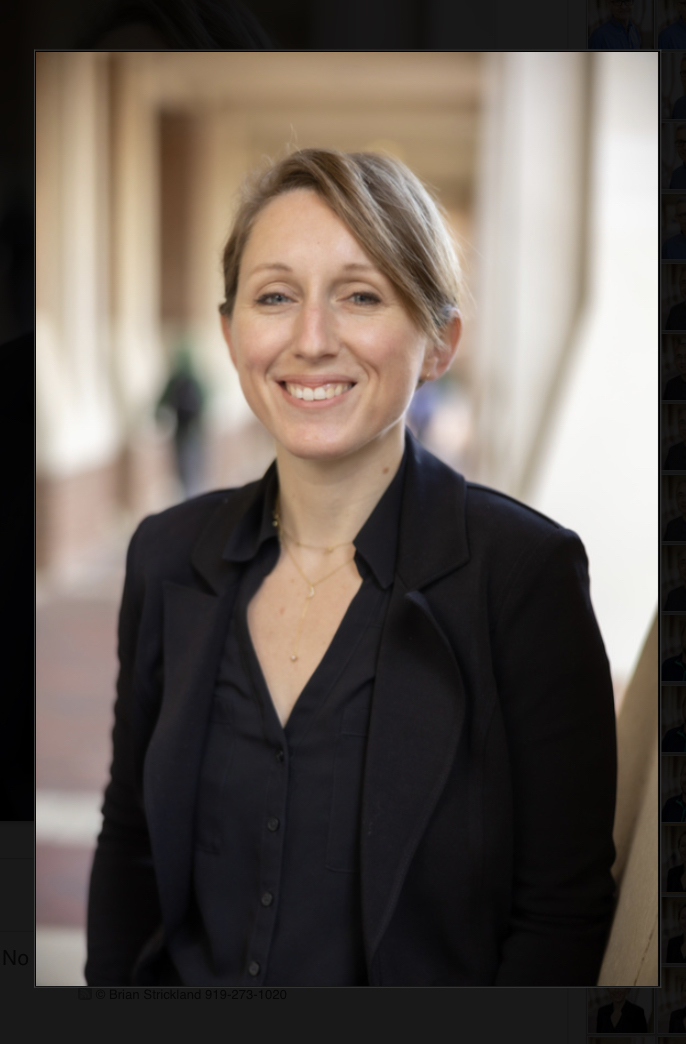
I’m Liz Brunk, a computational chemist turned genome scientist and AI enthusiast. Here you can learn about my scientific journey, research program, and the broader community and educational efforts that shape my work.
First time to the site? Start here
Educational Path
Liz earned her B.S. in Chemistry from the University of Michigan, Ann Arbor, followed by a Master’s in Physical Chemistry from École Normale Supérieure and a Ph.D. from EPFL. She completed postdoctoral training at UC Berkeley and UC San Diego, working in the laboratories of Jay Keasling, Bernhard Palsson and Pablo Tamayo in systems genomics. She also gained industry research experience at Celgene (now Bristol Myers Squibb).
Find me on:
My path into science began during my undergraduate training, where I studied chemistry and became fascinated by how molecular structure gives rise to biological function. During this time I developed a strong interest in computational approaches and quantitative thinking, which opened the door to using modeling and data analysis to understand complex biological systems.
I went on to pursue graduate training in computational chemistry and molecular modeling, where I focused on understanding proteins and molecular interactions through computational methods. This experience gave me a deep appreciation for how chemistry, physics, and computation can be combined to understand biological mechanisms at the molecular level.
During my postdoctoral training, my research expanded into systems biology and genomics. Working at the intersection of computational biology and large scale biological data, I began developing methods to interpret complex omics datasets and connect molecular variation to cellular behavior. This shift broadened my scientific perspective from individual molecules to entire biological systems and ultimately led to my interest in genome organization, gene regulatory networks, and the role of genetic variation in shaping cellular phenotypes.
Today, my research integrates experimental genomics, cytogenetics, and artificial intelligence to understand how genetic variation reshapes cellular systems. My lab combines multiomic data, quantitative imaging, and computational modeling to investigate how mutations and structural genome alterations influence regulatory networks, genome architecture, and cellular behavior. Read more
 Brunk Lab
You must be logged in to post a comment.